Man With Van in Harefield

Man With Van Harefield provides a practical way to move furniture, boxes and household belongings across the local area with less strain than handling everything alone. The service suits smaller home moves, room clearances, single-item transport and straightforward collection or delivery work, with the emphasis on careful loading, sensible vehicle use and clear communication about what needs moving. If you want a compact moving option rather than a full-scale removal, this is a straightforward starting point.
We can support people who need a man with van for local moving tasks, whether the job involves a few bulky pieces or a fuller domestic load. The service is built around flexibility: items can be moved from flats, terraces, houses, storage units or business premises, as long as the load is suited to a van-based move. For many customers, the appeal is keeping the process focused, efficient and easy to plan. If you are comparing options, it may help to request a quotation once you know what needs transporting.
Our approach is designed to keep the moving process clear from the start. You can outline what you need moved, where it is going and any access details that matter, such as stairs, narrow hallways or parking constraints. That helps shape the right vehicle size and loading plan. When the move includes awkward furniture or mixed items, good preparation makes a noticeable difference, so a simple inventory can be useful before the work is arranged.
Domestic moving support

Home moving often needs a balance between practicality and care. A van-based service can be suitable for part-loads, contents from one room, student moves, rented property changes or smaller house removals where a full removal lorry would be unnecessary. The job is usually about moving the right items in the right order, with attention to fragile pieces, heavy objects and anything that needs special handling during loading or unloading.
We can help move common household items such as sofas, tables, beds, chests of drawers, appliances and packed boxes, provided the job is within a realistic van load. It is sensible to group belongings by room or purpose before moving day, because that makes loading tidier and reduces the chance of items being overlooked. For delicate items, simple wrapping or internal packing can help, especially when the load contains glass, mirrors or electronics.
Typical domestic requests often fall into a few useful categories:
- single-room or partial property moves
- furniture collection and delivery
- student or flat moves with limited volume
- household items going to storage
Furniture, bulky items and careful loading

Furniture transport is a core part of many man and van jobs, and it benefits from sensible handling rather than speed alone. Large items may need to be carried through tight entrances, turned in corridors or lifted around corners, so the loading sequence matters. Sofas, wardrobes, bed frames and white goods can often be managed well when they are measured against the available access before the move begins. Good planning keeps the focus on getting items out safely and into the van without unnecessary strain.
We also handle furniture pick-up when customers need individual items collected from a seller, shop, storage space or private address. That can be a useful option for bulky purchases or one-off deliveries that do not justify a separate vehicle. In these cases, it helps to know the size of the item, whether it has been dismantled, and whether extra hands are needed at either end. If the item is unusually awkward, let us know early so that the move can be assessed properly.
Where a property contains several heavy pieces, it is often best to think about the order in which they will come out. One piece may need to be removed before another can be turned, and fragile items should not be trapped beneath heavier loads. A careful moving plan also protects walls, door frames and floors. When jobs are prepared in this way, the service becomes less disruptive and the vehicle space can be used more effectively.
Home moves, part-loads and van-based removals

Not every move is a full house relocation, and a man with van service can be a practical choice when the load is moderate. Many customers use it for one-bedroom flats, shared homes, downsizing, temporary moves or transport between two addresses where only a portion of belongings is being shifted. It is also useful when items need moving in stages, because the service can be tailored around the volume rather than forced into a one-size-fits-all approach.
Relevant pages can help you match the move to the right kind of support. For example, our home moves page covers domestic relocation work, while the house removals page is a better fit for fuller property moves. If your move is simpler and more transport-focused, man and van and man and van removals describe the style of service in more direct terms. That makes it easier to choose the most suitable option before arranging the job.
It is usually worth separating what must travel immediately from what can wait. That lets you concentrate on the items that matter most, rather than filling the van with objects that are not yet ready. A measured approach also helps when lift access, parking or load timing is limited. For many customers, the best result comes from keeping the move simple, well packed and clearly listed before collection.
Commercial moves and office transport

Commercial work needs different priorities from a domestic move, even when the vehicle is the same size. Office furniture, filing items, small equipment and boxed stock often need careful sequencing so that essential items are easy to identify on arrival. A van-based move can suit smaller business relocations, room-to-room transfers or transport between work locations when the full scale of a removal truck is unnecessary. The aim is to keep the job orderly and minimise avoidable handling.
For business customers, the useful question is usually not whether the move is large or small, but how the items need to be arranged around access and timing. If desks, chairs, monitors or storage units are being moved, a simple list and a note of any dismantling needed will make the plan clearer. Those comparing options may also look at commercial moves and office removals, especially where the load involves desks, equipment or archived materials that need organised transport.
Preparation matters for commercial loads because the quickest route through a building is not always obvious. Labelled boxes, grouped items and a clear loading order can reduce confusion when the vehicle is being filled and unloaded. If you are arranging a move for a small office, workshop or business unit, it is sensible to set out what has priority and what can travel later. That way, the moving day stays focused on the items that matter most.
What affects a quotation
A sensible quotation is usually based on the details of the move rather than on guesswork. The main factors tend to be the amount of space required, the type of items, the collection and delivery points, and any access issues that make loading slower or more involved. Distance, parking and the need for extra handling can also influence the planning stage. A clear description of the load helps keep the estimate realistic and avoids unnecessary surprises later on.
When you prepare an enquiry, it is useful to note whether the job involves stairs, lift access, tight turns, dismantling, or fragile pieces that need extra care. You do not need to overcomplicate the process; a short, accurate summary is usually enough. If the move involves several rooms or a mix of furniture and boxes, grouping the items by type can make the quotation easier to assess. If you are ready to compare options, pricing and quotes is a sensible place to start.
Two practical points make the biggest difference before a man and van job is booked: first, be clear about the main items; second, be honest about access. Those two details often decide whether one van load is enough, whether more careful packing is needed, and how the work should be timed. Keep it simple, accurate and complete, then ask for a quote when the load is defined.
Packing, loading and moving day support
Packing has a direct effect on how smoothly a van move goes. Strong boxes, closed bags and stable wrapping help prevent small items from shifting around, while loose objects can make loading less efficient. For mixed household loads, it is wise to keep similar items together and avoid creating boxes that are too heavy to lift safely. A well-packed load also makes it easier to fit more into the vehicle without placing pressure on delicate belongings.
For customers who want more help with getting items ready, packing and unpacking services provide a useful adjacent option. Not every move needs that level of support, but it can be helpful when time is tight or when breakables need a more structured approach. In a van-based move, neat packing means fewer interrupted lifts and a better chance of keeping the load stable from start to finish. That is especially important when several fragile pieces travel together.
If you are preparing for moving day, keep a separate pile for essentials you do not want mixed into the main load. Keys, documents, chargers, medication and personal items are usually best kept with you rather than placed in the moving van. A small amount of preparation can save a great deal of sorting later. It also makes the handover at each end smoother, because the items that need to travel are already organised and ready to move.
About Harefield
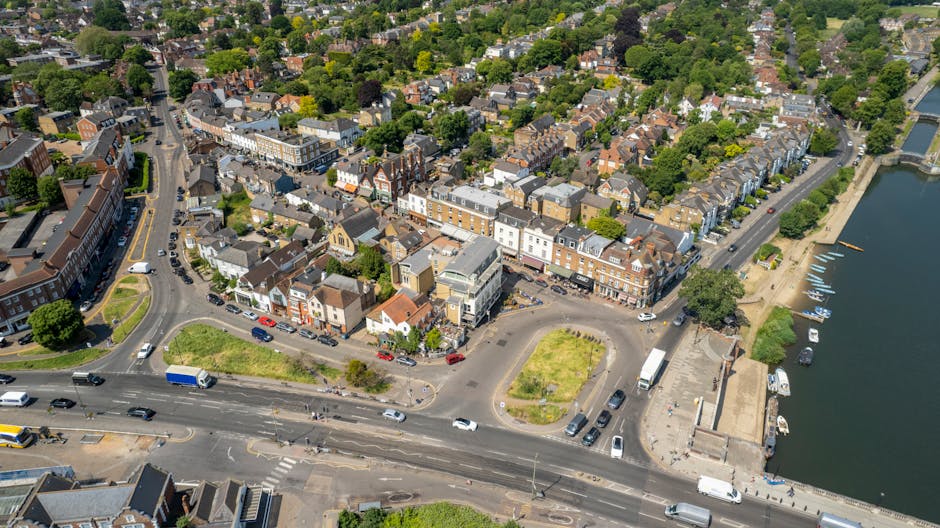
Harefield is a village in the London Borough of Hillingdon, at the north-western edge of Greater London, close to the Colne Valley and the border with Buckinghamshire. Its character combines a historic village centre with surrounding lanes, residential estates and open countryside, giving it a setting that feels more rural than much of outer London. The parish church of St Mary the Virgin, with parts dating from the medieval period, is one of the most recognisable historic buildings in the village, and the surrounding conservation area preserves elements of older settlement pattern and streetscape. Harefield Hospital is also widely known beyond the locality for its specialist cardiac reputation. The village has long been associated with the Grand Union Canal and the waterways that pass through the Colne Valley, which helped shape local movement, trade and industry in earlier centuries. The area is also close to Harefield Moor and the wider network of fields, woodland and water meadows that contribute to its landscape character. While it remains connected to London by road and rail links, Harefield retains a distinct identity through its churchyard, village green atmosphere and the mixture of older buildings with later housing. These features give the place a settled, layered feel rather than that of a tightly packed urban district.
Useful removal options and related services
Different moving jobs call for different vehicle and labour choices, so it helps to understand the service pages that sit alongside a man and van move. Some customers need a more general removal service, while others are comparing van hire style transport with a fuller removal setup. A broader page such as removal services can be helpful when the job description is still being refined, and removals gives a wider overview of moving support across domestic and commercial tasks.
Where the move is simple and transport-led, a compact vehicle option may be all that is needed. The pages for moving van and removal van are useful signposts for that kind of work, while moving truck and removal truck hire are more relevant when the load is larger or the job calls for extra capacity. Choosing the right scale can make the whole process calmer and more efficient.
There is no advantage in over-specifying the job if the load is modest. What matters is matching the transport to the items, the access and the handling required. A clear description of the move will usually reveal whether the work is best treated as a man and van job, a removals job or a more specialised transport arrangement. If in doubt, a short written summary is often enough to guide the choice.
Customer choices before booking
When people arrange a move, they often want to know what will make the process simpler. The answer is usually the same: keep the move defined, keep the items grouped, and make any access limits clear. If there are parking restrictions, narrow stairs, shared entrances or items that need dismantling, it helps to mention those early. That makes it easier to plan the loading sequence and avoid delays caused by unexpected access problems.
It also helps to think about which belongings need careful treatment and which can travel as standard boxes or bags. Not every item needs special handling, but glass, artwork, mirrors and electronics should be separated from heavier or rougher items where possible. If a job includes business stock, household furniture and loose boxes together, the load can be ordered so that fragile or priority items stay accessible. Clear labels can be surprisingly useful in these mixed loads.
For a straightforward enquiry, send the basics first and build from there. That means the collection point, destination, approximate volume and any special handling notes. If the move is still at the planning stage, that information is often enough to start. You can then ask for a quotation once the main details are settled and decide on the most suitable moving option for the job.