Hillingdon Council Permits for Harefield Removal Vans
Posted on 22/06/2026
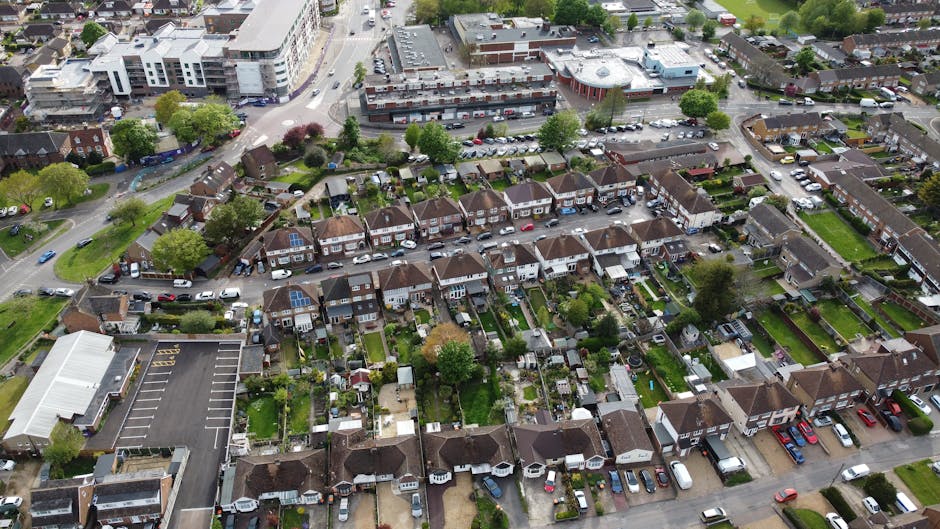
If you are planning a move in Harefield, one of the easiest things to overlook is whether your removal vehicle needs permission to stop, wait, or load on the street. That sounds minor until you are standing by the front door with a sofa halfway out and a van nowhere near the kerb. Hillingdon Council Permits for Harefield Removal Vans are there to help manage that sort of access, and in the right situation they can save you time, stress, and a lot of awkward shuffling around parked cars.
This guide explains what the permit issue actually means in plain English, how it usually works, who needs to think about it, and how to prepare without overcomplicating the job. We will also cover common mistakes, practical planning tips, and the kind of details that make moving day feel far smoother. Truth be told, most moving problems are not dramatic. They are small logistics issues that pile up.
Why Hillingdon Council Permits for Harefield Removal Vans Matters
Removal vans need space. That is the simple version. In a place like Harefield, where some roads are tighter than people expect and parking can be limited, the ability to stop close to the property can make the difference between a calm move and a very long day. If a van cannot wait where it needs to, every load becomes harder. Lifting takes longer, boxes get exposed to rain, and fragile items spend more time being carried than they should.
There is also the practical side for neighbours and road users. Councils generally try to balance access, traffic flow, safety, and resident convenience. For a removal job, that means your vehicle might need to park in a controlled way, use a loading bay, or avoid restricted times and places. Even when a formal permit is not required, understanding the local parking situation is still crucial. It keeps everyone sane.
For local moves, especially in and around residential roads, the permit question is often less about paperwork for its own sake and more about access planning. If your van can stop legally and safely near the door, the move is usually faster, cheaper in labour time, and less physically demanding. That is why this topic matters so much to anyone arranging house removals, flat moves, or a smaller van-and-driver job.
How Hillingdon Council Permits for Harefield Removal Vans Works
At a high level, the process is usually straightforward: check the parking conditions at both addresses, work out whether the removal vehicle can legally stop close enough, and then decide whether a permit, dispensation, or alternative arrangement is needed. Different streets may have different rules, and those rules can change depending on the day, the time, and the type of restriction in place.
In practical terms, there are a few common scenarios. A road might have resident bays, yellow line restrictions, limited waiting times, or loading-only areas. A removal van may be able to use some of these spaces for a short period, but not all. If the van is likely to stay put while items are carried in and out, that is the point where permission matters most. A quick stop is one thing; a half-day move is another.
The safest approach is to treat access as part of the move plan, not an afterthought. If you are using a professional team, they will usually help identify whether your property needs special parking arrangements. If you are arranging the move yourself, make sure you check early enough to avoid last-minute panic. The day before is often too late. By then, you are already surrounded by bubble wrap and coffee cups.
When people search for help with local moves, they are often also thinking about the bigger picture: packing, furniture handling, and timing. That is where a helpful planning flow matters. It can be useful to read a practical guide like decluttering and packing before relocating or tackling packing challenges when moving house, because parking and loading only work well when the rest of the move is organised too.
Key Benefits and Practical Advantages
Getting the access side right brings benefits that are bigger than most people expect. The first is speed. If the van can stop close to the property, the team spends more time moving items and less time walking back and forth. That sounds obvious, but over a full house move it adds up quickly.
The second is safety. A legal and sensible stopping position reduces rushed lifting, awkward carrying distances, and the temptation to leave the van in a risky spot. That matters for your belongings, for your neighbours, and for the crew doing the heavy lifting. No one wants a sofa wedged across a wet pavement at 8:15 in the morning.
The third is cost control. Access issues often create delays. Delays often create extra labour time. That can happen even on small jobs. If a permit or local parking arrangement helps the vehicle load efficiently, it can keep the schedule much tighter.
There is also peace of mind. Once you know the parking situation is handled, you can focus on the things that actually need your attention: final checks, meter readings, keys, and all the small tasks that always seem to appear in the last hour.
- Less carrying distance for heavy furniture
- Reduced risk of blocked access or parking disputes
- Faster loading and unloading
- Lower chance of moving-day delays
- Better coordination with neighbours and building access
Who This Is For and When It Makes Sense
This matters to more people than you might think. House movers are the obvious group, but flat occupants, students, office movers, and anyone using a large removal vehicle can run into the same issue. If the road is narrow, if parking spaces are scarce, or if the property sits on a busier stretch, you should assume access planning will matter.
It is especially relevant if:
- you live on a road with controlled parking or waiting restrictions
- your property has no driveway or private forecourt
- the van will need to wait for more than a few minutes
- you are moving bulky items such as wardrobes, sofas, beds, or appliances
- the move needs to happen during busy commuter periods
In Harefield, this often comes up with residential streets where a van cannot simply sit wherever it likes. It also affects anyone moving in or out of flats, where shared access, stairways, and limited roadside space can make careful planning essential. If your move is smaller, something like a man and van setup might still need the same parking attention, just on a lighter scale.
If you are unsure whether the job is big enough to matter, think about the van itself rather than the number of boxes. One large vehicle, awkward furniture, or a tight loading area can be enough to turn a simple move into a logistical puzzle. And nobody wants a logistical puzzle at 7am.
Step-by-Step Guidance
Below is a simple, practical way to handle the permit and access side of a Harefield removal. It is not fancy, but it works.
- Check both addresses early. Look at the street layout, the parking signs, and whether the van can realistically stop near the entrance.
- Identify restrictions. Note resident bays, yellow lines, time limits, suspended spaces, and any loading-only areas.
- Measure the real carrying distance. A short walk from van to front door can be fine. A long walk around corners, not so much.
- Decide whether a permit or dispensation is needed. If a vehicle will need to wait or load in a restricted bay, that becomes the key question.
- Confirm timing. Morning and late afternoon can be busier, while school runs and commuter traffic can make access harder than expected.
- Plan for the worst-case option. If the preferred spot is unavailable, know where the fallback loading point is.
- Brief the removal team. A good mover should know in advance what the road layout looks like, where the nearest legal loading space is, and whether anything is awkward.
One practical tip that people forget: think about the return journey too. If your new home has limited parking, the loading and unloading plan needs to work at both ends. That is where planning can save the day, especially if you are managing fragile items or large furniture. For example, if you are moving a sofa or cabinet, you may also want to look at furniture removals in Harefield for a clearer picture of how the physical handling side fits alongside access planning.
For more moving-day structure, you may also find a local moving checklist for UB9 priorities useful. Small admin tasks, traffic timing, and parking details have a habit of becoming the big issues if nobody handles them early.
Expert Tips for Better Results
In our experience, the best removal days are the ones that feel slightly boring. Not chaotic, not heroic, just organised. Here are a few tips that help.
- Keep bulky items near the exit. Do not leave beds, tables, or wardrobes buried behind dozens of small boxes.
- Label fragile and priority boxes clearly. It sounds basic, but it saves time when the van is parked at a premium spot.
- Build in a small time buffer. Even 20 minutes can make the difference between a relaxed arrival and a rushed one.
- Use the right lifting approach. Good handling matters if items need to be carried farther than expected. The article on kinetic lifting techniques is useful if you want a practical look at safe movement.
- Do not assume the nearest kerb is automatically the best kerb. Sometimes a slightly longer walk from a legal loading spot is better than risking a restriction.
If you are moving on your own or with only one helper, access matters even more. A longer carry is tiring, and tired people make clumsy decisions. That is not a moral failing; it is just Tuesday morning physics. You may also want to read solo heavy lifting tips if you are trying to manage a smaller move with limited help.
And if the move involves something especially awkward, like a piano, the parking plan becomes even more important because specialist handling takes time and space. In that case, the guidance in piano removals in Harefield and the related article on professional piano moving gives a good sense of how access, equipment, and careful loading all fit together.

Common Mistakes to Avoid
The biggest mistake is leaving parking considerations until the morning of the move. That is how people end up phoning around, arguing with parked cars, or carrying a wardrobe down the road because the van cannot get close enough. It happens more often than you would think.
Another common error is assuming a small van means no access problem. Smaller vans are more flexible, yes, but they still need somewhere legal to stop. A good rule is: if the vehicle will stay in place while loading takes place, treat the spot as an access decision, not just a quick stop.
People also forget the building side. Flats, shared entrances, narrow hallways, and stairwells can all affect how long the vehicle needs to remain parked. If access is slow inside the property, the van can be sitting there for far longer than expected.
A few more to avoid:
- failing to check both the old and new address
- leaving packing unfinished so the loading window stretches out
- ignoring school-run or commuter traffic around the move time
- assuming neighbours will be fine with a van blocking access
- using guesswork instead of confirming the actual parking restrictions
It is also easy to focus so much on the van that you forget the rest of the process. Packing properly matters. A badly packed move takes longer, which makes parking and permits more likely to become an issue. The practical advice in how to tackle packing challenges when moving house is worth a look if your home is full of mixed-size items and awkward bits you keep meaning to deal with.
Tools, Resources and Recommendations
You do not need a huge toolkit, but a few basics will make the whole process smoother. A checklist, a tape measure, marker pens, packing tape, and a phone note with access details are enough for many moves. If you are handling storage as part of the move, remember that temporary storage can reduce pressure on the removal day and give you more flexibility with vehicle access.
Useful preparation areas include:
- Access notes: house number, road name, restriction times, nearest legal loading point
- Inventory: especially for sofas, beds, appliances, and fragile boxes
- Packing materials: sturdy boxes, wrapping, labels, and tape
- Storage options: for items that do not need to travel on the same day
- Insurance awareness: knowing what protection is in place for the move
On that last point, it is wise to understand cover and handling expectations before moving day. A clean, well-communicated plan is always easier to manage. You can also check insurance and safety information for a better sense of how careful handling fits into the wider move process.
If you are planning a larger or more complex relocation, it can help to look through the services overview so the access side, furniture handling, and packing support all line up properly. For storage-heavy moves, the advice in storage in Harefield and storing sofas effectively may also come in handy.
Law, Compliance, Standards, or Best Practice
Parking and loading activity in the UK is shaped by local traffic rules, road markings, and council-controlled parking arrangements. That means the exact requirements can vary by location and by street. For removal vans, the sensible approach is to follow local restrictions carefully and avoid assuming that a short stop is automatically allowed. If a space is marked or timed, treat that as the rule unless you have clear permission to do otherwise.
Best practice is simple: avoid obstructing traffic, do not park in a way that creates danger, and make sure loading activity is carried out as efficiently as possible. If a permit, waiver, or dispensation is needed, organise it ahead of time rather than expecting flexibility on the day. Councils tend to value advance planning more than last-minute improvisation. Fair enough, really.
From an industry perspective, professional removal work should also follow safe lifting, careful securing of items, and sensible route planning. That includes using enough people for heavy items, protecting surfaces where needed, and keeping access routes clear inside and outside the property. If you are looking at business moves as well as home moves, the same principles apply to office removals and flat removals: the vehicle is only one part of the equation.
It is also worth remembering that compliance is not just a legal box to tick. It is about respect for neighbours, workers, and the road network around you. A well-planned move usually feels calmer because everyone knows what is happening and where the van will be.
Options, Methods, or Comparison Table
There is more than one way to handle removal van access in Harefield. The right choice depends on the street, the vehicle size, and how much you are moving. This simple comparison can help.
| Option | Best for | Pros | Watch-outs |
|---|---|---|---|
| Short legal loading stop | Small moves with quick turnarounds | Fast, simple, often enough for lighter jobs | Can fail if loading runs longer than expected |
| Parking bay / controlled space | Standard home removals with more items | More stable and convenient for repeated loading | May need advance permission or careful timing |
| Permit or dispensation arrangement | Restricted streets or longer loading periods | Reduces the risk of a penalty or forced relocation | Needs planning, and sometimes lead time |
| Off-street or driveway loading | Properties with private access | Usually the easiest and least disruptive | Not available for many Harefield homes |
There is no perfect option for every move. To be honest, the best one is the one that keeps the van close enough to work safely and legally. If you are comparing removal companies, ask how they normally handle parking, loading delays, and restricted streets. Good teams think about this before they arrive, not after.
Case Study or Real-World Example
Here is a realistic example. A family moving from a Harefield terraced property had a three-hour window to clear the house before the new owners arrived. The road was narrow, parking was tight, and there was no driveway. At first, they assumed the removal van could simply stop outside for the duration. It could not.
Instead of leaving it to chance, they checked the street layout in advance, packed the smaller items early, and agreed a fallback loading point with the mover. On the day, the van used the closest legal stopping position, and the team worked through the larger furniture first. The sofa, beds, and boxes were loaded efficiently, then the final loose items followed. There was still a bit of chaos, because moving house always has a touch of chaos, but the important thing is that it stayed controlled.
The result was not glamorous. It was just smooth. No awkward parking argument, no repeated double-handling, and no last-minute scramble for a space. That is exactly what good access planning should feel like: invisible once the job starts.
For moves with similar access pressure, a local route guide such as removals to Uxbridge Road and Harefield Village can be helpful because it encourages you to think about the surrounding roads, not just the front door.
Practical Checklist
Use this checklist before moving day. It keeps the permit and parking side under control without making the whole process feel like homework.
- Confirm the full address and road name for both properties
- Check whether the road has yellow lines, resident bays, or time limits
- Decide where the van will stop for loading and unloading
- Estimate how long the vehicle will need to stay in position
- Ask whether a permit, dispensation, or other parking arrangement is needed
- Share access details with the removal team in advance
- Pack heavy and bulky items so they can be loaded first
- Keep pathways, hallways, and doors clear
- Prepare a backup plan if the preferred space is taken
- Have a contact number ready on the day in case anything changes
If your move is likely to be urgent, you may also want to review an emergency house removals checklist so you are not trying to solve access issues under pressure. And if you are worried about pricing getting messy because of delays or unclear conditions, pricing tips for Harefield removals may help you ask the right questions before booking.
Get a free quote today and see how much you can save.
Conclusion
Hillingdon Council Permits for Harefield Removal Vans are really about one thing: making sure the van can do its job safely, legally, and without unnecessary delay. If you get the parking and access side right, the rest of the move becomes noticeably easier. Fewer surprises. Fewer long carries. Less stress in the doorway with someone holding a lamp and asking where the kettle went.
The main takeaway is simple. Do not treat the permit or parking question as a tiny admin task. Treat it as part of the move plan, right alongside packing, lifting, timing, and final cleaning. The more you sort out in advance, the less the day will lean on improvisation. And if there is one thing moves rarely reward, it is improvisation.
Plan the access. Keep the route clear. Give the van room to work. It makes a bigger difference than people expect, and once it is done properly, you will feel it immediately.