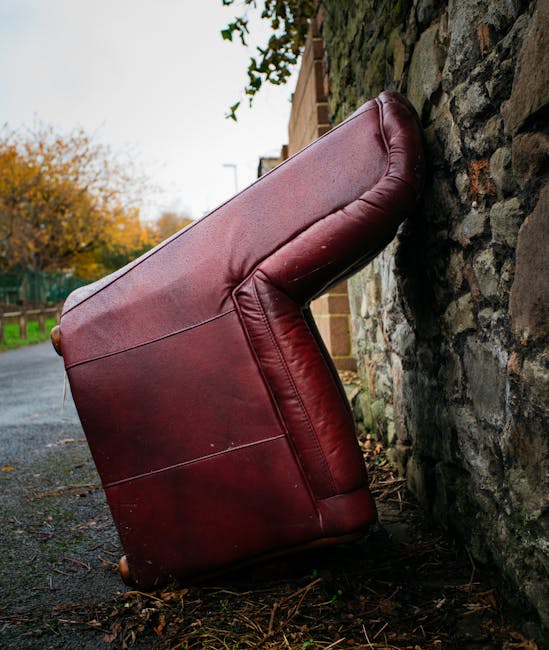
Bulky Waste Moves in Harefield: Sofa & Appliance FAQs
Posted on 15/05/2026
Bulky Waste Moves in Harefield: Sofa & Appliance FAQs
If you are staring at a worn-out sofa in the hallway or a heavy fridge freezer that has finally given up, you are not alone. Bulky items have a knack for becoming urgent at the worst possible moment. This guide on Bulky Waste Moves in Harefield: Sofa & Appliance FAQs brings together the questions people ask most often when they need large furniture or appliances moved, removed, or prepared for collection in a sensible, safe way.
Whether you are clearing a flat, swapping out a sofa, replacing white goods, or trying to make a tight move feel less chaotic, the details matter. A bulky item is not just "something big". It can be awkward to lift, hard to manoeuvre through a narrow staircase, and expensive to damage if handled badly. Let's face it, nobody wants a cracked doorframe or a strained back on moving day.
This article walks through how bulky waste moves typically work in Harefield, what affects the process, what to check before you book, and how to avoid the common mistakes that turn a simple job into a messy one. You will also find a comparison table, a practical checklist, and a proper FAQ section for the sofa-and-appliance questions people keep asking.

Why Bulky Waste Moves in Harefield: Sofa & Appliance FAQs Matters
Bulky waste is one of those topics that sounds simple until you actually need to deal with it. A sofa might look manageable from the front room, but once you try to turn it through a narrow landing, the story changes. Appliances are worse in a different way: they are dense, slippery, and often heavier than they first appear.
For Harefield residents, the issue usually comes down to three things: access, safety, and timing. A bulky item may need to leave a home before a tenancy ends, before new furniture arrives, or before a refurbishment starts. In that moment, speed matters, but so does doing the job properly. If the item is being moved rather than simply discarded, it also needs protection from damage during lifting and transit.
There is also the practical side of planning. A room full of clutter slows down everything else. If you are preparing a property for removal or storage, it often helps to clear the largest item first. For many households, that means the sofa, the bed, or the fridge. If you are already sorting through the rest of the home, our guide on how to declutter and pack before relocating fits neatly alongside this one.
One small but useful point: bulky waste jobs are rarely about brute force alone. They are about judgement. Which route is safest? Which item should be removed first? Do doors need to come off? Should the appliance be emptied and disconnected the day before? Those little decisions save time and reduce hassle. Simple, yes. Obvious, not always.
How Bulky Waste Moves in Harefield: Sofa & Appliance FAQs Works
In plain English, bulky waste moving usually means collecting, lifting, carrying, loading, and transporting items that are too large, too heavy, or too awkward for normal handling. That can include sofas, armchairs, wardrobes, beds, mattresses, washing machines, tumble dryers, cookers, fridge freezers, and other oversized household items.
The exact process depends on what you need done. Some customers want an item taken from inside a property and moved to another address. Others want it removed for responsible disposal or recycling. In some cases, people ask for a same-day collection because they have a deadline, an estate agent visit, or a delivery arriving later that afternoon. If speed is essential, it may be worth looking at same-day removals in Harefield alongside the broader removal services available locally.
Here is the usual shape of the job:
- Review the item or items to be moved.
- Check access at both ends: stairs, lifts, doors, parking, corners, and tight turns.
- Prepare the item by unplugging, emptying, securing, wrapping, or dismantling where needed.
- Lift and manoeuvre using the right technique and enough people for the weight and shape.
- Load securely into the vehicle so nothing shifts in transit.
- Deliver, unload, or dispose of the item according to the agreed plan.
That may sound straightforward. Sometimes it is. Sometimes it is not. A bulky sofa in a modern house with wide access is one thing; a heavy American-style fridge freezer in an upstairs flat is another altogether. That is why experienced handling matters, especially where protection, safety, and route planning are concerned. If your move also involves awkward lifting, the advice in this lifting guide and these solo heavy lifting tips can help you understand what good technique looks like.
Key Benefits and Practical Advantages
There are real advantages to handling bulky waste moves with a clear plan rather than leaving things to the last minute. The most obvious benefit is safety. Heavy furniture and appliances can cause injury if they are twisted, dragged, or carried without proper support. The second is efficiency: a well-organised move usually takes less time, and less time often means less stress.
Other practical benefits include:
- Reduced damage risk to walls, floors, doors, and the item itself.
- Less disruption if you are living in the property during the move.
- Better space management when you need a room cleared quickly.
- Improved recycling outcomes where usable parts or materials can be separated.
- Cleaner handover if you are leaving a rental or preparing a sale.
There is also a mental benefit people often underestimate. Once the sofa is gone, or the broken appliance is finally out of the kitchen, the whole place feels lighter. You can hear the room differently. Sounds a bit odd, maybe, but anyone who has cleared a cramped lounge knows the feeling. Suddenly the space breathes.
If storage is part of your decision, the topic gets even more practical. Sometimes the best move is not immediate disposal but temporary storage while you decide what stays and what goes. In that case, the advice in this sofa storage article and the local option for storage in Harefield can be useful companions.
Who This Is For and When It Makes Sense
Bulky waste moves are for anyone dealing with large items that cannot be lifted, carried, or transported safely by normal means. In Harefield, that often includes families replacing old living-room furniture, tenants moving out, students leaving shared housing, landlords preparing a property, and homeowners clearing a garage or spare room.
This service also makes sense when:
- you need a sofa removed before a new one is delivered;
- an appliance has failed and needs to be taken out quickly;
- you are downsizing and cannot keep every large item;
- you are moving from a flat with stairs or awkward access;
- you do not have the right vehicle, straps, or helping hands;
- the item is too valuable to risk damage through DIY handling.
To be fair, a lot of people only think about this after the problem becomes urgent. The old freezer stops working on a Sunday evening. Or the sofa just will not fit in the van on moving day. That is when a straightforward plan becomes worth its weight in gold.
If your bulky item is part of a bigger move, it can be sensible to combine it with a wider house or flat move. For example, house removals in Harefield and flat removals in Harefield are both relevant when bulky items are only one part of the job. Students, meanwhile, often need an affordable, flexible option, which is where student removals may fit better than a one-off lift on its own.
Step-by-Step Guidance
If you want the smoothest possible bulky item move, this is the process that usually works best.
1. Identify exactly what needs to move
List each sofa, chair, appliance, or extra item. A "large fridge" is useful enough as a phrase, but a full item list is better. Model size, floor level, and whether it is freestanding or integrated all affect the job.
2. Measure the access route
Measure doorways, stair widths, hallway bends, and lift dimensions if relevant. Don't guess. A sofa that clears the front door may still fail at the landing turn. That is a classic snag, honestly.
3. Prepare the item correctly
Empty appliances, secure loose parts, remove drawers if necessary, and unplug everything in advance. Sofas may need cushions removed, feet detached, or legs wrapped. If the item has removable sections, separate them early rather than wrestling with them at the door.
4. Protect the property
Use blankets, door protectors, or floor coverings where there is a risk of marks. This is one of those boring steps that saves a lot of irritation later. Scuffed paint and scratched laminate are nobody's idea of a good afternoon.
5. Choose the right method for the item
Some things can be carried. Some should be trolleyed. Some need two people and a very careful angle. Others, like pianos, are a different category entirely and should be treated as specialist moves; if that is your situation, have a look at piano removals in Harefield and the related piano moving guide.
6. Load the vehicle securely
The best loading plan spreads weight sensibly and stops items shifting. Sofas are often loaded last or against a stable wall section, while appliances should be upright unless the manufacturer guidance or handling needs say otherwise.
7. Finish with a final check
Before the vehicle leaves, check the property for screws, brackets, packaging, and any parts that might have come loose during the move. A minute here saves a return trip later.
Expert Tips for Better Results
Here are a few field-tested habits that make bulky moves less stressful.
- Clear the route first. Move shoes, lamps, rugs, bins, and side tables out of the way before touching the heavy item.
- Take doors off if needed. Sometimes that tiny bit of extra width makes the difference between a clean exit and a stuck item.
- Wrap fragile finishes. Leather, glass, glossy plastic, and polished wood all mark more easily than people expect.
- Plan for parking. A van parked five metres closer can save a lot of carrying, especially on a wet day.
- Use the right number of hands. One helper too few is how people end up with wobbling loads and bad decisions.
If you are using this as part of a full property clear-out, pairing it with a proper cleaning and packing plan can be smart. The guides on moving-out cleaning and tackling packing challenges are especially useful if the bulky waste job is just one stage in a bigger shuffle.
One small human tip: do the hard part earlier in the day if you can. By late afternoon, everyone is a bit more tired, and that is when mistakes sneak in. Nothing dramatic, just a missed grip or a rushed turn. Enough, though.
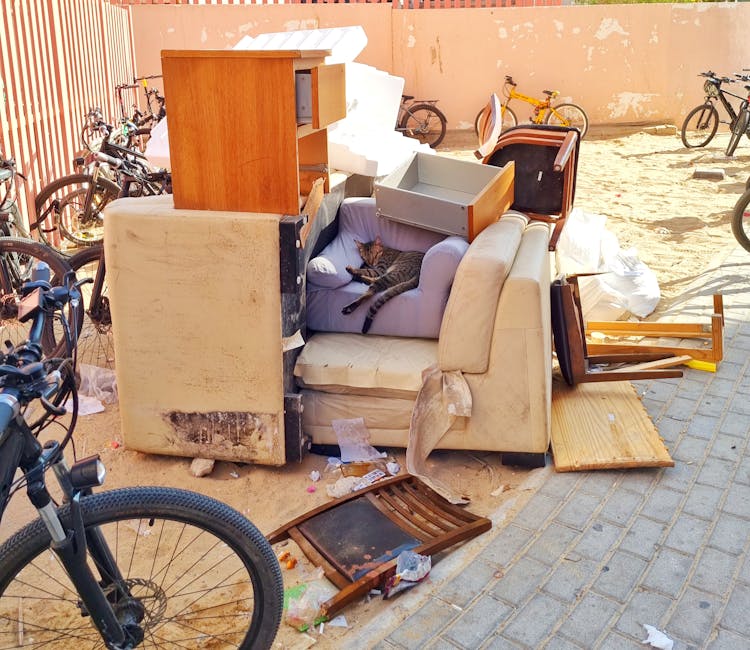
Common Mistakes to Avoid
Most problems with bulky waste moves are predictable. That is the annoying part, really. The good news is that once you know the traps, you can step around them.
- Underestimating the weight. Many appliances feel heavier once they are lifted and angled.
- Forgetting to measure access. A quick guess at the hallway width is not enough.
- Leaving preparation too late. Defrosting a freezer on the morning of collection is usually too late.
- Dragging items across floors. This can damage both the item and the flooring.
- Not checking disconnection needs. Gas, water, and power should always be handled carefully and in line with the relevant rules or competent advice.
- Trying to force a bad route. If a turn is too tight, forcing it almost never ends well.
A common one is emotional, not physical: trying to keep a broken or unwanted item "just in case". If it is taking up space, collecting dust, and making life awkward, it may be time to let it go. That old sofa has probably already had its glory days.
Tools, Resources and Recommendations
You do not need a warehouse full of kit to handle bulky waste well, but a few basic tools make a big difference.
| Tool / Resource | What it helps with | Why it matters |
|---|---|---|
| Removal blankets | Protecting furniture and walls | Reduces scuffs, chips, and fabric damage |
| Straps | Securing items in transit | Stops shifting and helps with controlled lifting |
| Furniture sliders | Moving heavy items short distances | Useful on smooth floors when used correctly |
| Trolley or dolly | Transporting heavier appliances | Less strain, better control |
| Protective wrapping | Covering soft or delicate surfaces | Useful for sofas, tables, and glossy finishes |
| Clear packing materials | Storing screws, cables, or fittings | Prevents lost parts and saves time later |
For anything that involves moving parts or preparing an item for long-term storage, it also helps to think ahead. A sofa stored properly is a lot easier to reuse later than one left uncovered in a damp corner. If that applies to you, the local furniture removals service and the earlier sofa storage guide are worth keeping in mind.
And if you are comparing service options, start with the basics: do they handle single bulky items, do they offer loading support, can they help with access issues, and do they give clear pricing? That last point matters more than people think. Confusing quotes make everything harder.
Law, Compliance, Standards, or Best Practice
Bulky waste work touches safety, transport, and sometimes disposal, so best practice matters. Without getting lost in legal jargon, there are a few common-sense principles worth following in the UK context.
First, items should be handled safely and only moved in ways that reduce the risk of injury. If an item is too heavy, awkward, or unstable for one person, it should not be treated like a solo challenge just because it "probably" can be done. The right approach is to use enough people, the right equipment, and sensible lifting technique. The guidance in insurance and safety is a sensible reference point for understanding how careful handling fits into proper service delivery.
Second, appliances may need to be disconnected or emptied before removal. For example, fridge freezers usually need defrosting in advance, and washing machines should be drained and disconnected properly. If you are not sure how to do that safely, ask for help rather than improvising. Water and electricity are not areas for guesswork.
Third, disposal should follow responsible and lawful practice. If a bulky item is being disposed of rather than reused, a reputable mover or clearance provider should be able to explain what happens next, especially where recycling or reuse is possible. That is where recycling and sustainability becomes more than a nice phrase. It is part of a cleaner, more sensible process.
Finally, if you are booking any removal service, read the terms carefully, understand what is included, and ask about access, waiting time, and what happens if the item cannot be moved on the day. It is a small admin step that saves headaches later. Not glamorous, but very worthwhile.
Options, Methods, or Comparison Table
There is more than one way to deal with bulky items. The best method depends on the item, your access, your schedule, and whether you want moving, removal, or disposal.
| Method | Best for | Pros | Trade-offs |
|---|---|---|---|
| DIY move | Short distances, light-to-medium items, easy access | Low direct cost, full control | Higher physical strain, more risk, usually slower |
| Man and van support | Single items, awkward loads, local moves | Flexible, practical, often quicker | May still require prep and access planning |
| Full removal service | Multiple bulky items or larger property moves | Less stress, more support, better for larger jobs | Usually more involved than a single-item option |
| Storage before decision | Items you are not ready to throw away | Buys time, useful during renovation or moving | Not a final solution by itself |
If you are unsure which route fits, ask yourself one simple question: do I want this item moved, removed, or just out of the way for now? That answer usually narrows the choice faster than any long checklist. For more general support, the local man and van service in Harefield and removal van options can be useful depending on how much lifting and transport you actually need.
Case Study or Real-World Example
A typical Harefield scenario goes like this: a couple is moving out of a first-floor flat and has one large corner sofa, a washing machine, and an old fridge freezer to deal with. The sofa will not fit around the top turn without removing the feet. The washing machine needs draining. The freezer is still cold inside because nobody started defrosting it early enough. Classic.
Instead of trying to deal with everything at once, the better approach is to stage the job:
- Start the freezer defrosting the day before if possible.
- Disconnect and drain the washing machine properly.
- Remove sofa feet and cushions before the carrying starts.
- Clear the hallway and protect the corners of the stairwell.
- Load the heaviest appliance first, then the sofa, then smaller items and loose parts.
What changed the outcome was not brute strength. It was sequencing. The team did the awkward items first, used the right gear, and avoided repeated back-and-forth trips. The whole move became calmer, and that matters because tension spreads fast on moving day. One person gets rushed, another gets impatient, and suddenly everyone is saying "it'll be fine" in the least convincing tone imaginable.
That is exactly why a little planning pays off. If the job also involves a full household move, it may be worth combining bulky item handling with removals in Harefield or even man with a van support so the timing and access all line up neatly.
Practical Checklist
Use this checklist before the day of your bulky waste move or appliance removal.
- Confirm exactly which items are going.
- Measure doors, stairs, lifts, and tight corners.
- Check whether any item needs defrosting, draining, or disassembly.
- Remove cushions, shelves, loose shelves, and detachable parts.
- Protect floors, door frames, and walls where needed.
- Clear the access route from front door to vehicle.
- Arrange parking as close as practical.
- Make sure keys, straps, and tools are to hand.
- Keep screws, brackets, and cables in a labelled bag.
- Decide in advance whether the item is being moved, stored, reused, or disposed of.
A good checklist does not need to be fancy. It just needs to be used. Scribble it on paper if that is easier. Old-school works fine here.
Conclusion
Bulky waste moves in Harefield are rarely just about getting rid of "a sofa" or "an appliance". They are about making a tricky job safe, efficient, and less disruptive to your day. With the right prep, the right equipment, and a sensible plan, even heavy and awkward items can be dealt with cleanly.
The main thing is not to leave the difficult bits until the last minute. Measure, prep, and decide whether you need help before the item is halfway out of the room. That small bit of forethought can save your back, your walls, and your mood.
If you are still weighing up the best approach, take a moment to look at the broader support available through our services overview and related local pages. The right choice is usually the one that fits your item, your access, and your timeline without turning the day into a drama.
Get a free quote today and see how much you can save.
And when the heavy stuff is finally gone, the room often feels ready for a fresh start. That is a good feeling. A very good one.