Pavement Parking Rules for Harefield Removal Day: A Practical Guide for Safer, Smoother Moves
If you are planning a removal day in Harefield, the last thing you want is a van half on the pavement, a neighbour complaining, or a driver having to shuffle boxes back and forth because access is awkward. Pavement Parking Rules for Harefield Removal Day can feel like a small detail, but in real life it affects timings, safety, and how calmly the whole move unfolds. The good news? With a bit of planning, you can avoid the common snags and keep everything moving without drama.
This guide explains what pavement parking means in practical terms, why it matters on moving day, how to plan around restrictions, and what best practice looks like when loading a van near a home or business in Harefield. You will also find a step-by-step checklist, a comparison table, and a few real-world tips that make a surprising difference when the clock is ticking and the street is tight.
Quick expert summary: On removal day, the safest approach is to assume pavement parking is not okay unless you have clear permission and a lawful place to stop. Plan the vehicle position first, not last.
Why Pavement Parking Rules for Harefield Removal Day Matters
Removal day tends to magnify every access problem. A street that feels roomy on a quiet Tuesday suddenly feels narrow when a van arrives, neighbours are trying to leave for work, and someone is carrying a wardrobe through the front door. That is why pavement parking deserves proper attention rather than a quick shrug and a hope for the best.
Pavements are for pedestrians, and during a move they are also the route for children, older residents, people with pushchairs, wheelchair users, and anyone who simply needs to pass safely. Blocking that space, even partly, can create more than inconvenience. It can force people into the road, slow down loading, and increase the chance of a scrape, complaint, or enforcement issue.
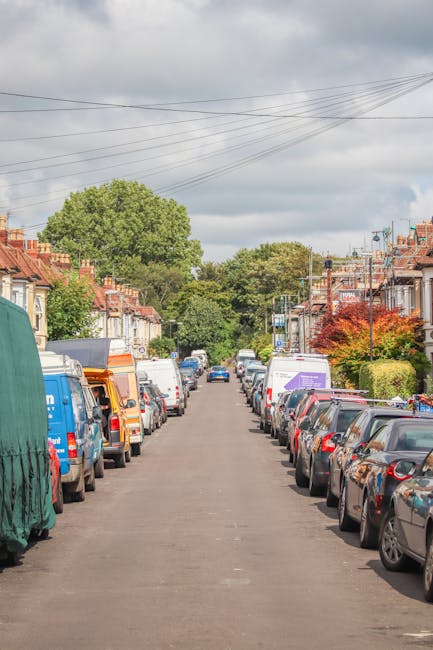
In Harefield, where streets may vary from open residential roads to tighter village-style access, the practical question is often not just "Can the van fit?" It is "Where can it stop without causing a problem?" That may sound obvious, but people often only ask it once the boxes are already stacked by the front door. A little frustrating, truth be told.
This is also about protecting your move schedule. If a driver has to re-park several times or unload from a bad angle, the whole job takes longer. For home moves, that can mean more stress. For commercial moves, it can mean disruption to staff, customers, and building access. For either one, the cost is usually time, and time on moving day is precious.
How Pavement Parking Rules for Harefield Removal Day Works
There is no one-size-fits-all approach that magically applies to every street. Instead, pavement parking is usually governed by a mix of local restrictions, highway rules, traffic orders, road markings, signs, and common-sense access expectations. That is the bit people sometimes underestimate. Even if a street looks quiet, quiet does not equal permitted.
On a removal day, the practical flow usually looks like this:
- The vehicle arrives and checks for legal stopping space near the property.
- The driver confirms whether any dropped kerb, line marking, sign, or local restriction affects where the van can be placed.
- Loading starts only once the parking position is safe for pedestrians and appropriate for the street.
- If access is tight, the team may use a shorter parking window, a second person to watch the kerb, or a different loading method.
If you are using a man with van service or a larger moving van, the vehicle size matters. Bigger vehicles usually need more careful placement, especially on narrow roads or where parked cars already reduce space. It sounds simple, yet this is exactly where many moving plans go sideways.
It also helps to think beyond the vehicle. If the front door opens onto a narrow path, or if the pavement slopes and pedestrians need full width to pass, even a brief obstruction can become a problem. The safest approach is to treat the pavement as part of the pedestrian network, not an extension of your loading bay.
Sometimes the solution is not about parking closer at all. It may be better to park slightly further away and use a trolley, extra hands, or a more organised carrying route. That may feel slower for five minutes. In practice, it often saves you fifteen.
Key Benefits and Practical Advantages
Following pavement parking guidance is not just about avoiding trouble. It actually makes a move cleaner, calmer, and more efficient. Here is what you gain when you plan it properly.
- Safer access for everyone: Pedestrians can move freely without stepping into the road.
- Lower risk of delays: The team can load and unload without constant re-parking.
- Less chance of complaints: Neighbours are far less likely to object when access remains clear.
- Better protection for belongings: Fewer awkward carrying angles means fewer knocks, grazes, and near misses.
- Smoother coordination: Everyone knows where to place boxes, furniture, and appliances before the van arrives.
There is also a quiet benefit people notice after the fact: less friction. Removal day already comes with enough decision-making. If parking is settled early, the whole day feels more controlled. You can almost hear the relief in the room when the van parks correctly and the first big items start moving out without fuss.
For those arranging an house removal or booking help from house movers, this can be the difference between a steady morning and a chaotic one. And let's face it, nobody wants to discover access problems while balancing a mattress at the kerb.
Who This Is For and When It Makes Sense
This guidance is useful for almost anyone moving in or out of Harefield, but it is especially relevant in a few situations.
- Homeowners moving from terraces, semi-detached houses, or homes with limited frontage
- Tenants with timed handovers and little room for error
- Families moving with children, prams, or lots of boxed items
- Older residents who need a slower, safer loading process
- Businesses planning an office relocation or equipment transfer
- Anyone booking a van that will need to park close to the property
It also makes sense if your move includes bulky furniture, a piano, white goods, or mixed loads that are awkward to carry. If you are using furniture pick up support, for example, the vehicle may need to stop in a place that allows quick loading without blocking the footway. Same story for office chairs, desks, filing cabinets, and those annoying medium-sized items that somehow weigh a ton.
The rule of thumb is straightforward: the tighter the access, the more important the parking plan. If the road is wide and the property has a drive, you may have fewer worries. If not, proper preparation becomes essential.
Step-by-Step Guidance
Here is a practical way to handle pavement parking concerns before and during a removal day. Nothing fancy, just a sensible sequence that works.
- Assess the street in advance. Look at width, kerbs, dropped kerbs, corner visibility, and nearby parked cars. A quick walk outside the day before can tell you a lot.
- Decide where the van should stop. Choose the safest legal spot first, then plan the carrying route from there.
- Check for pedestrian pinch points. Think about pushchairs, wheelchairs, school runs, and evening foot traffic if your move runs late.
- Reserve enough loading time. Rushing increases the temptation to park badly. Build in a buffer. Honestly, it helps more than people expect.
- Brief everyone involved. Tell family members or staff where to place items, where to stand, and which route to use.
- Keep the pavement clear. Use the drive, garden edge, or internal hallway for staging boxes rather than spreading items over the footway.
- Reassess if conditions change. If a neighbour's car arrives or a delivery van blocks the planned spot, adapt quickly and safely.
If you are arranging a wider move, it can help to combine this planning with packing and unpacking services. When boxes are organised properly, loading becomes faster and the pavement is less likely to become a temporary storage area. That sounds minor, but it changes the whole rhythm of the day.
One small but useful habit: keep your most awkward items nearest the exit but still off the pavement. That way the crew can move in a straight line from door to van. Fewer turns, fewer collisions, fewer "where did I put the tape?" moments. We have all seen those moments.
Expert Tips for Better Results
Here are the things experienced movers pay attention to, especially when access is tight.
- Plan for the widest item, not the smallest box. Sofas, wardrobes, and mattresses determine your route more than anything else.
- Use two-person handling where needed. This reduces wobbling and lets one person watch for pedestrians.
- Keep the front door area uncluttered. A clear threshold makes the loading flow much safer.
- Time the move sensibly. School run hours, commute periods, and busy late-afternoon streets can all make parking harder.
- Confirm vehicle size early. If you need a removal van or removal truck hire, the dimensions matter more than the name on the side.
To be fair, a lot of good moving practice is just common sense with a clipboard. Yet when you are under pressure, common sense tends to hide in the hallway next to the kettle. Writing things down helps.
If your move involves both domestic and business items, consider whether the day is better split into phases. For example, moving office files first, then furniture later, can reduce congestion at the property. That is especially true if you are using office removals support or a mixed removal services package.
Common Mistakes to Avoid
These are the errors that most often create trouble on moving day. A few are obvious, but a few catch people out every time.
- Assuming a quiet road means no restrictions. Quiet streets can still have rules.
- Parking on the pavement "just for five minutes." Five minutes can still be enough to create a blockage or complaint.
- Leaving the plan until the van arrives. By then, decisions are rushed and options are limited.
- Blocking dropped kerbs or driveways. That is one of the fastest ways to upset the flow of the street.
- Using the pavement as a staging area. Boxes and furniture should not spread across the pedestrian route.
- Underestimating how long loading takes. Tight parking and heavy items always take longer than expected. Always.
A more subtle mistake is not telling neighbours what is happening. A polite heads-up can soften a lot of tension. Nobody expects a red carpet, but a simple warning about loading times goes a long way.
Another one? Forgetting that rain changes everything. A damp pavement, a slippery doorstep, and a heavy wardrobe are a poor combination. If the weather turns, slow down and keep the route clear. It sounds obvious, but in the drizzle people get a bit heroic, which is not always ideal.
Tools, Resources and Recommendations
You do not need a long list of specialist gear, but a few practical tools make a real difference.
- Furniture blankets: Help protect doors, walls, and awkward corners when carrying items close to the kerb.
- Hand truck or sack truck: Useful for boxes and heavier items when the van cannot park directly outside.
- Floor protection: Keeps entrances safer and cleaner during repeated trips.
- Labels and tape: Speed up unloading so the vehicle is not left in one place longer than needed.
- Phone camera: Handy for documenting arrival conditions or any pre-existing access issues.
If you want to compare move types or vehicle options, the service pages for man and van removals and removals can help you think through scale, speed, and access needs. For larger or more structured moves, movers may be the better fit. Different jobs, different rhythms.
It is also sensible to review service terms and practical expectations before the day itself. That is where pages like terms and conditions, insurance and safety, and health and safety policy are useful for understanding how a professional move is handled. In a move, the small print is not glamorous, but it matters.
Law, Compliance, Standards, or Best Practice
In the UK, pavement parking can be an enforcement issue, and local rules matter. The exact position is not something to guess at street by street. If you are uncertain, the safest practical stance is to avoid parking on the pavement unless you are sure it is permitted and does not obstruct pedestrians, driveways, or access routes.
Best practice is more important than bravado here. That means:
- keeping the footway clear where possible
- avoiding obstruction of dropped kerbs and crossings
- using lawful stopping places wherever available
- considering vulnerable pedestrians, not just vehicle convenience
- checking any local restrictions before the removal day, especially for planned stopping or loading
For businesses, compliance also means thinking about duty of care. If staff, contractors, or visitors need to pass the property while loading is taking place, the route should stay usable and safe. For homes, a similar duty of care applies in plain English: don't create a problem for the whole street when a more careful option exists.
If you are organising a larger move, particularly a workplace transfer, it may also be worth reading about office relocation services and commercial moves. Those moves often involve tighter coordination, building access rules, and slightly less room for improvisation. Not much room at all, sometimes.
Options, Methods, or Comparison Table
Different parking and loading approaches suit different property types. This comparison should help you decide what is most realistic for your day.
| Approach | Best for | Pros | Trade-offs |
|---|---|---|---|
| Park directly outside, fully off the pavement | Wide roads, open frontage, quick moves | Fast loading, minimal carrying distance | May not be possible on tighter streets |
| Park nearby and use a short carry route | Most residential removals | Safer for pedestrians, more flexible | Needs trolleys or extra handling time |
| Use larger vehicle with careful positioning | Bulky loads, full-house moves | Efficient for volume and repeated trips | Requires more space and better planning |
| Split the move into phases | Busy streets, mixed domestic/commercial loads | Reduces pressure and congestion | Takes more coordination |
There is no "best" option in the abstract. The right answer depends on the street, the building, the size of the load, and how long the vehicle needs to stay in place. For some people, a compact man with a van setup is enough. For others, a larger moving truck makes more sense. Different tool, different job.
Case Study or Real-World Example
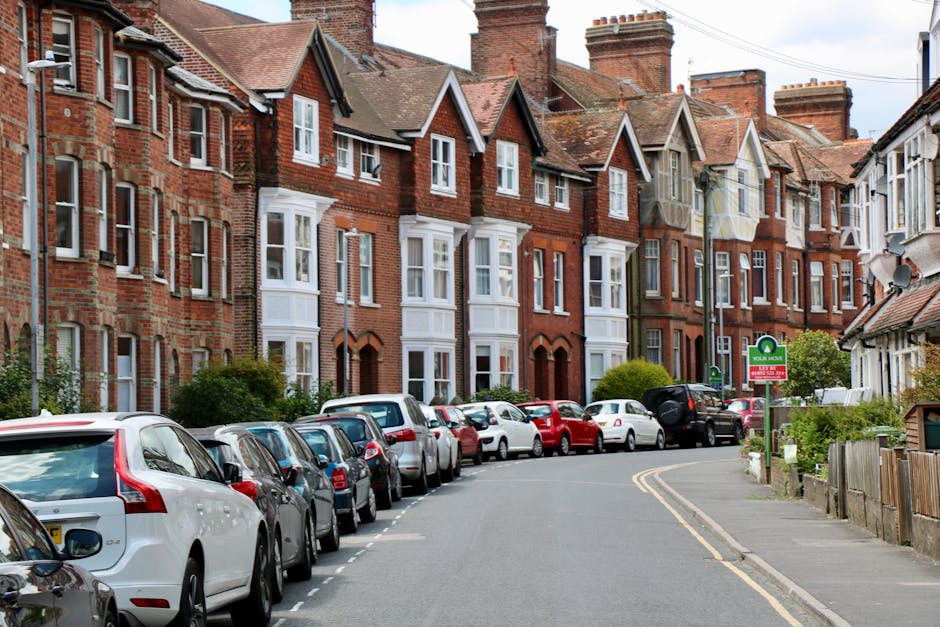
Imagine a family moving from a semi-detached home in Harefield on a Friday morning. The road is reasonably wide, but both sides already have parked cars. The front garden is small, the path is narrow, and the boxes are stacked in the hallway by 8:15 a.m. If the van tries to pull too close to the kerb and ends up partly on the pavement, pedestrians have to squeeze past. Not ideal.
Instead, the team chooses a safer spot a short distance away, keeps the pavement clear, and uses a trolley for the heavier items. The sofa comes out first while the route is still tidy, then the rest of the load follows in organised runs. There is a brief pause when a delivery car appears nearby, but because the plan is flexible, it does not derail the day.
By mid-morning the move is progressing steadily, not frantically. The family is not tiptoeing around complaints. The driver is not repeatedly repositioning. And the street remains passable, which sounds simple but makes a huge difference. You feel it in the atmosphere, really.
That is the practical value of getting pavement parking right: fewer interruptions, less tension, and a move that feels under control rather than improvised on the fly.
Practical Checklist
Use this before your removal day. It is simple, but it covers the main risk points.
- Check whether the street has any parking restrictions or loading limits
- Confirm the exact vehicle size and whether it can stop legally near the property
- Measure narrow access points, gates, and turns if the property is tight
- Keep the pavement clear for pedestrians at all times
- Brief everyone on where to carry items and where to stage them
- Use trolleys or lifting aids if the parking position is not directly outside
- Warn neighbours if loading may affect access
- Prepare for weather changes, especially rain or low light
- Review service terms, insurance, and safety expectations in advance
- Leave a little time buffer so nobody feels pressured to park badly
If you are booking a broader package, pages such as home moves, house removals, and packing and unpacking services can help you plan the wider move more confidently. Planning a move is a bit like packing a suitcase too small for the holiday. The earlier you sort the awkward bits, the happier you are later.
Conclusion
Pavement Parking Rules for Harefield Removal Day are really about one thing: keeping the move safe, lawful, and manageable. If you plan the parking position early, think about pedestrians, and choose the right vehicle setup, the whole day becomes easier. Less scrambling. Less stress. Fewer surprises.
The smartest moves are rarely the flashiest ones. They are the ones where the van is placed properly, the route stays clear, and everyone knows what happens next. That is what good removal planning looks like in practice, and it is worth the effort every single time.
If you are getting ready for a move and want to avoid awkward access problems, take a calm look at your street, your vehicle, and your loading plan now rather than later. A few careful decisions today can save a great deal of hassle tomorrow.
Get a free quote today and see how much you can save.
Frequently Asked Questions
Can a removal van park on the pavement in Harefield?
Usually, you should not assume it can. The safest approach is to avoid pavement parking unless you are certain it is permitted and it does not obstruct pedestrians or access. Always plan for a lawful stopping place first.
What should I do if there is no space outside my house?
Use the nearest safe legal stopping spot and shorten the carry route with trolleys, extra hands, and good packing. It may take a little longer, but it is often far better than risking an obstruction.
Does pavement parking matter for a short loading stop?
Yes, because even a short stop can block foot traffic or create a nuisance. If pedestrians need to step into the road, the parking position is not good enough, even for a quick job.
How do I know if my street has parking restrictions?
Check the street itself for signs, markings, and obvious access points. If you are unsure, do not guess. A quick advance look is much better than discovering a restriction when the van has already arrived.
What is the safest way to load furniture on a narrow road?
Park where the van can stop safely, keep the pavement clear, and use a direct carrying route. For bulky items, having one person watch the path while another carries can help a lot.
Should I tell my neighbours before removal day?
Yes, if the loading may affect the street or access nearby. A simple heads-up can prevent friction and makes it easier for everyone to plan around your move.
Do I need a larger vehicle for a full house move?
Not always, but larger moves often benefit from a bigger van or truck. The best option depends on the amount of furniture, the access at both properties, and how quickly you need the move completed.
What if the weather is wet on moving day?
Slow the move down, keep surfaces clear, and protect floors and furniture. Wet pavements and heavy items are not a great mix, so it is worth being extra careful rather than rushing.
Can I use a van if the property is in a busy residential street?
Yes, but the parking plan matters a lot more. Busy streets often need better timing, more awareness of parked cars, and a spot that does not force pedestrians into the road.
Where can I find help for a home or office move?
You can review relevant services such as man and van, man and van removals, and office removals to compare the type of support that best fits your move. The right setup depends on access, load size, and timing.
What is the main mistake people make with pavement parking on removal day?
The biggest mistake is leaving parking decisions until the last minute. Once the crew is outside with boxes in hand, you have far fewer options. A proper plan before the van arrives avoids most of the stress.
Is it better to park further away and carry items longer?
Sometimes, yes. If parking directly outside would block the pavement or create a problem, a slightly longer carry route is usually the better choice. It is not glamorous, but it is often the practical answer.
For more help preparing a smoother move, you may also want to look at pricing and quotes so you can plan the day around a service level that suits your needs. A little planning now can make the whole move feel lighter, and that is a very good thing.