Emergency House Removals in Harefield: Quick Checklist
Posted on 02/06/2026
When a move suddenly gets pushed forward, panic tends to arrive before the boxes do. That is exactly where Emergency House Removals in Harefield: Quick Checklist becomes useful: it gives you a calm, practical plan when time is short, decisions are coming at you fast, and you still need to get everything from one property to another without chaos taking over.
Maybe your completion date changed. Maybe a landlord has shortened the notice period. Or maybe life has simply done that annoying thing it sometimes does and left you needing a same-week move. Whatever the reason, a rushed house move can still be handled well if you focus on the right priorities, in the right order. This guide walks you through what matters, what to do first, what to avoid, and how to make a last-minute move in Harefield feel manageable rather than frantic.
If you want extra background on practical packing habits before a move, you may also find decluttering and packing before relocating helpful, and for timing and stress levels, this guide to moving houses without stress fits neatly alongside the advice here.
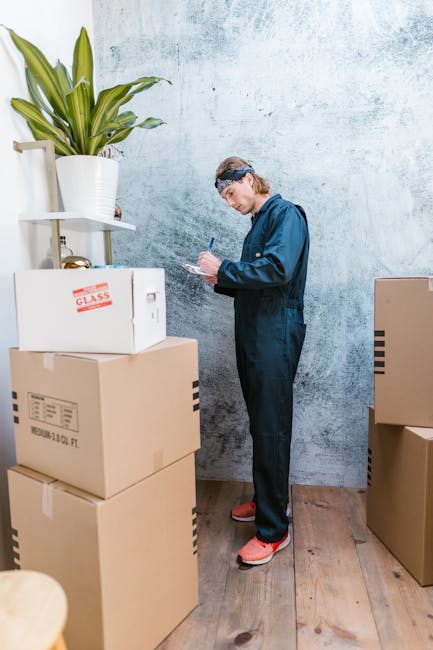
Why Emergency House Removals in Harefield: Quick Checklist Matters
Emergency moves are different from planned removals. There is less time to sort, fewer chances to compare options, and more pressure on every small decision. A normal move can absorb a mistake or two. A rushed move usually cannot. One missed detail can ripple outward into delays, extra costs, tired people carrying the wrong things, or a second trip you never wanted to make.
In Harefield, that pressure can feel even sharper if you are dealing with narrow driveways, awkward stairwells, shared parking, or a property that needs to be vacated by a specific hour. To be fair, that is common in a lot of places around UB9 and nearby streets, but it still matters that your plan is simple and immediate. A quick checklist helps you cut through noise and make good calls quickly.
Think of it as triage for a house move. Not everything is equally urgent. The kettle is not as urgent as the documents folder. The decorative lamp can wait; the keys, ID, and medication cannot. The checklist approach works because it creates order from a messy situation. And when you are already tired, that order is gold.
If you are moving out of a home and also need the place cleaned before handover, the process becomes more layered. A practical read like the ultimate moving-out clean guide can help you avoid leaving the final clean until the last possible minute, which is a trap many people fall into. No judgement. It happens.
How Emergency House Removals in Harefield: Quick Checklist Works
The checklist works by breaking the move into clear time blocks and categories. Instead of asking, "How will I move the whole house?", you ask, "What must happen in the next hour, today, and before the van arrives?" That shift sounds small, but it is exactly what keeps people moving forward.
A good emergency move usually follows a simple pattern:
- Stabilise the situation. Confirm the move date, access times, and any hard deadlines.
- Protect the essentials. Secure documents, keys, medication, chargers, valuables, and overnight items.
- Reduce the load. Decide what travels, what is stored, and what can be left behind responsibly.
- Pack the fastest way possible. Use clear labels, room groupings, and priority bags.
- Prepare the property. Keep pathways clear, disconnect what can be safely disconnected, and make sure the exit plan is workable.
- Coordinate transport. Match vehicle size and crew to the actual job, not the ideal version of it.
The smartest emergency moves are rarely the ones that try to do everything. They are the ones that choose what matters and let the rest go. If you have bulky furniture, a mattress, or awkward items, it is usually better to isolate them early rather than discover at the door that they need special handling. For more on that side of things, bed and mattress moving tips are surprisingly useful even in a rush.
One thing people often underestimate is decision fatigue. After five or six urgent choices, even sensible adults start standing in doorways holding random socks. So, a checklist is not just a planning tool. It is a mental shelter.
Key Benefits and Practical Advantages
Using a quick checklist during an emergency move gives you more than organisation. It creates a few concrete advantages that can make the day go better, and sometimes a lot better.
- Less wasted time: you stop wandering between rooms asking what to do next.
- Fewer damaged items: the right pieces get packed the right way, rather than shoved into random boxes.
- Lower stress for everyone involved: family members, flatmates, neighbours, and movers all cope better when the plan is obvious.
- Better use of labour: heavy lifting, loading, and vehicle space are all used more efficiently.
- Faster handover: if you need to vacate quickly, you can get through the final stages with less scrambling.
There is also a subtle but important benefit: good prioritisation protects your energy. In a rushed move, you do not want to spend your strongest hour packing old paperwork from 2017 while the broadband router, passports, and bedding are still untouched. It sounds funny afterwards. In the moment, not so much.
If you are deciding between different moving support options, the wider service picture matters too. A service overview like the removals services overview can help you understand what type of help fits your move, while man and van support in Harefield may suit lighter, faster relocations. For larger or more structured moves, house removals in Harefield is often the better fit.
Who This Is For and When It Makes Sense
Emergency removals are not just for dramatic last-minute crises. They are for any situation where the moving clock is ticking faster than expected and you need practical help, fast.
This approach makes sense if you are:
- working to a short-notice completion date
- leaving a rental property at speed
- moving after a job change or family situation shift
- downsizing quickly and only taking selected items
- dealing with student accommodation deadlines
- trying to move a flat or maisonette with tricky access
- needing same-day or next-day transport for the essentials
Students, in particular, often need a stripped-back version of the process. If that sounds familiar, student removals in Harefield may be a better match than a full household setup. Likewise, if you live in a first-floor property or have narrow access, flat removals in Harefield can be more relevant than a generic house move.
And if you are genuinely up against the clock, it helps to know that same-day removals in Harefield are designed for fast turnaround situations. Not every move can wait for the perfect window. Sometimes the best move is simply the one that gets done safely and on time.
Step-by-Step Guidance
Here is the practical version. No fluff. Just the sequence that tends to work best when you are under pressure.
1. Confirm the move window
Start with the non-negotiables: when you can collect keys, when you must leave, and whether there are building or parking restrictions. If the move day is unstable, work from the earliest realistic time rather than the most hopeful one. Hope is lovely. Timetables are better.
2. Make a "must-go" pile
Put aside documents, medication, bank cards, keys, chargers, toiletries, and one change of clothes for everyone who needs them. Add snacks, tea bags, and basic cleaning items too. A kettle and a roll of loo paper can feel like luxury after a chaotic day. Truth be told, they are survival tools.
3. Sort items into three categories
- Take now: essentials and high-priority belongings
- Take later: items that can be packed and moved in a second load
- Leave or dispose: broken, unwanted, or low-value items
That third category matters more than people think. A rushed move is not the moment to carry three dead lamps and a wobbly chair "just in case". If you have bulky pieces that may need separate handling, the advice in bulky waste, sofa and appliance FAQs is well worth a read before you start loading.
4. Pack room by room, but only the essentials
Use one room at a time so you do not create a mixed-up pile in the hallway. Label boxes with the room name and an urgency marker like "open first" or "not needed today". If you only have time for partial packing, that is okay. Better partial and sensible than perfect and late.
5. Handle heavy items with caution
Emergency moves make people overestimate their strength. It happens because adrenaline kicks in and everything feels doable for about twelve minutes. Then the sofa hits the staircase. If you are moving weighty furniture, look at safe lifting methods before you start. The advice in solo heavy lifting techniques and tips and kinetic lifting methods can help you avoid the classic "I thought I could manage it" moment.
6. Load the van in the right order
Heavier, sturdier items usually go in first, with fragile or frequently needed items kept accessible. If a bed, wardrobe, sofa, or piano is involved, plan the loading sequence in advance rather than improvising. For larger furniture specifically, furniture removals in Harefield are often the sensible route, and specialist moves like piano removals in Harefield should always be treated as their own category, not an afterthought.
7. Leave the place tidy and accessible
Clear stairs, hallways, and doorways before the movers arrive. Keep pets out of the way. Make sure someone knows where keys, meters, and access codes are. If you have time for a final sweep, great. If not, at least leave the route out of the property clean and clear.
Expert Tips for Better Results
A few small moves make a big difference in emergency removals. The trick is knowing where the friction usually appears.
- Use soft bags for soft goods. Bedding, clothing, and towels are fast to bag and easier to squeeze into awkward vehicle spaces.
- Keep one "open first" box visible. Put the bedding, toiletries, mugs, kettle items, and basic tools in it.
- Photograph cable setups. A quick phone photo before unplugging can save a silly amount of time later.
- Freeze food only if there is enough time. If not, keep the fridge plan simple and use up perishables. The freezer is not your friend on moving morning unless you planned ahead.
- Reserve headspace for the awkward bits. Many emergency moves are slowed down by one large item, one parking issue, or one forgotten key. Not ten things. Usually one or two.
Sometimes the best tip is just to stop trying to make the move feel elegant. It probably will not. It just needs to be safe, ordered, and realistic. A bit messy? Fine. A bit imperfect? Also fine.
If storage is part of your emergency plan, perhaps because you are not taking everything immediately, storage in Harefield can be a useful bridge between properties. And if you need packing materials in a hurry, packing and boxes support can save you from dragging half-empty supermarket cartons around at the last minute.

Common Mistakes to Avoid
Emergency moves go wrong in predictable ways. The good news is that most of those mistakes are preventable, even under pressure.
- Waiting too long to book help: the longer you delay, the fewer options you have.
- Overpacking boxes: this is where backs get hurt and boxes fail.
- Not separating essentials: you do not want medication buried under kitchen pans.
- Ignoring access issues: stairs, parking, and narrow hallways matter a lot when time is short.
- Trying to move everything yourself: admirable, yes. Sensible, not always.
- Forgetting disposal plans: rubbish and unwanted furniture can slow down a move more than expected.
There is also a less obvious mistake: assuming every move can be handled the same way. A student move, a family house move, and an office relocation all behave differently. The same vehicle, same boxes, same amount of manpower? Not usually. If you need more context on broader moving types, removals in Harefield is a useful starting point, while removal services in Harefield can help you compare the shape of the job before you commit.
Tools, Resources and Recommendations
You do not need a warehouse of gear to move quickly, but a few basics make emergency removals smoother.
- Strong boxes and tote bags: for mixed loads, books, kitchen bits, and clothing.
- Marker pens and labels: ideally bold enough to read at a glance.
- Bubble wrap or padding: for fragile items, mirrors, and awkward corners.
- Tape and scissors: keep them together; otherwise they vanish instantly.
- Phone charger and power bank: essential if you are coordinating access, drivers, or family messages all day.
- Gloves and sturdy shoes: basic, but often forgotten.
On the planning side, the most useful resources are usually the ones that help you reduce confusion: packing guides, furniture-specific advice, and trustworthy company information. You can also review the company's own trust pages such as insurance and safety, health and safety policy, and about us if you want a better feel for how professional moving support is structured.
For payment reassurance and how booking details are handled, payment and security information is also worth checking. Small thing, maybe, but when everything else is moving around, peace of mind is not a luxury.
Law, Compliance, Standards, or Best Practice
With emergency house removals, the main compliance concerns are usually practical rather than complicated: safe lifting, responsible handling of goods, access arrangements, and fair treatment of property. The exact legal position can vary depending on your tenancy, lease, or sale contract, so if you are unsure about notice periods, inventory handover, or access timing, it is sensible to check the documents you already have rather than guessing.
From a best-practice point of view, professional movers should aim to work safely, communicate clearly, and avoid creating avoidable damage. That means sensible packing, suitable vehicle use, and care around stairs, tight corners, and heavy items. If a mover offers help with fragile, awkward, or high-value items, that should be matched with the right equipment and experience, not just enthusiasm. Enthusiasm is nice. Straps, blankets, and planning are nicer.
It is also good practice to keep valuables, sensitive documents, and personal items under your own control. In a rushed move, that one habit alone prevents a lot of headaches. If any part of the move involves disposal or unwanted furniture, using responsible routes matters too. The broader sustainability approach is explained in the recycling and sustainability page, which is helpful if you want to reduce waste rather than simply dump and dash.
Options, Methods, or Comparison Table
Not every urgent move needs the same level of support. The right option depends on property size, access, furniture volume, and how much time you actually have. Here is a simple comparison that may help.
| Option | Best for | Strengths | Watch-outs |
|---|---|---|---|
| Self-move | Very small loads and flexible timing | Lowest control cost if you already have help and transport | Highest physical effort; easy to underestimate time and risk |
| Man and van | Light to medium moves, short notice jobs | Quick, flexible, and often suitable for emergency transport | May not suit large houses or complex furniture if under-resourced |
| House removals | Whole-home moves, heavier contents, tighter coordination | More structured and usually better for larger jobs | Needs clearer planning and may require more lead time |
| Storage first | When you cannot move everything in one go | Buys time and reduces pressure on the main move day | Creates a second step to manage later |
If you are choosing between services, start with the size and speed of the move rather than the label. In practice, that usually gives the clearest answer. For many rushed moves, man with a van in Harefield is enough. For bigger homes or more structured logistics, a full house removals approach is the safer fit.
Case Study or Real-World Example
Picture a fairly typical Harefield scenario. A family gets told on a Tuesday afternoon that they need to leave by the end of the week. No drama, no big warning, just a suddenly compressed timetable and a lot of cardboard in the wrong places. The first instinct is to tackle the whole house at once. That usually leads to people opening cupboards, losing time, and making three separate piles of "important stuff" that nobody can later define.
What worked better was a strict first-hour reset. The family set aside documents, medicine, school essentials, chargers, and bedding. Then they packed only the rooms that could be completed quickly, leaving awkward furniture and surplus items to a second round. One person handled labels, one person protected fragile items, and one person coordinated access and keys. Nothing fancy. Just structure.
There was still a bit of chaos, of course. There always is. One shoe went missing. Someone packed the remote control with the cutlery, which is, frankly, a classic. But the move happened on time because the big decisions were made early. That is the point of a quick checklist: it does not remove stress entirely, but it stops stress from becoming the boss of the day.
For a similar local planning angle, this UB9 moving checklist adds a useful Harefield-specific perspective, especially if you are trying to fit the move into a tight local schedule.
Practical Checklist
Expert summary: In an emergency move, protect the essentials first, reduce the load fast, label clearly, and choose the right transport for the size of the job. That simple sequence prevents most of the common problems.
Use this checklist as your fast-action plan.
- Confirm move-out time, key collection, and access details.
- Set aside passports, IDs, tenancy papers, money, medication, and chargers.
- Pack an overnight bag for every person who needs one.
- Separate fragile items from general boxes.
- Make a quick decision on what to keep, store, donate, or dispose of.
- Label boxes by room and priority.
- Keep pathways, stairs, and doorways clear.
- Check whether heavy furniture needs specialist handling.
- Arrange vehicle size and manpower based on the actual load.
- Take meter readings, photos, and final property notes if needed.
- Do one last sweep for keys, phones, pet items, and essential documents.
One small but useful habit: place your most important items in a single, obvious bag and keep it with you, not in the van. It sounds obvious after the fact. During an emergency move, it is easy to forget.
Conclusion
Emergency moves are rarely ideal, but they are absolutely manageable when you strip the process back to what matters most. The real win is not perfection. It is control. A clear plan, sensible packing, and the right kind of support will save time, reduce mistakes, and make the day feel less overwhelming than it first appears.
If your move in Harefield is coming fast, stay focused on the essentials, keep your checklist close, and do not try to solve everything at once. Deal with the next right step, then the one after that. That is usually how rushed moves become successful ones. Calmly, not perfectly. And honestly, that is enough.
Get a free quote today and see how much you can save.
When the dust settles and the last box is in place, you will be glad you kept it simple, steady, and practical. A move can be urgent without becoming unmanageable. That part is in your hands.