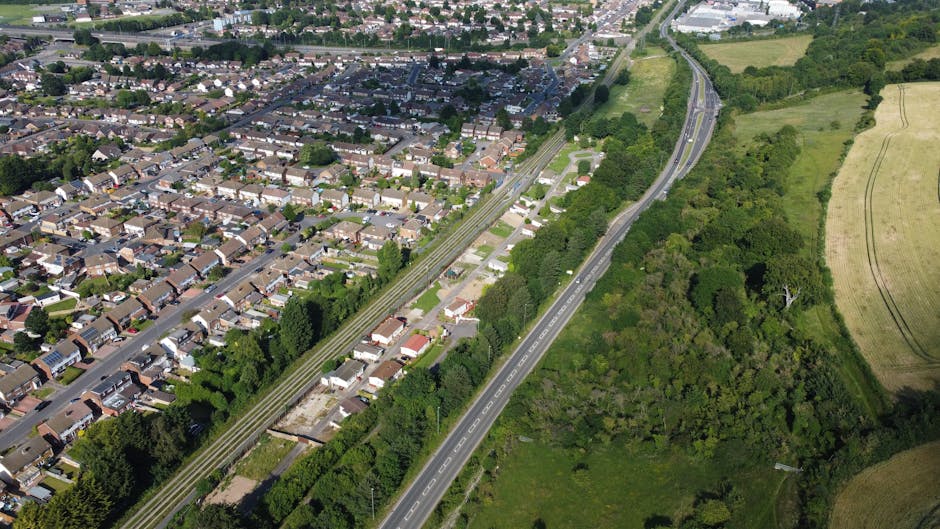
Colne Valley Moves: Harefield narrow-road tips
Posted on 26/05/2026
If you are moving through Harefield's tighter residential roads, the job can feel bigger than the boxes suggest. A van that seems perfectly manageable on paper can suddenly become awkward when there is a parked car, a blind bend, a low wall, or a neighbour's hedge leaning just a bit too far over the pavement. That is where Colne Valley Moves: Harefield narrow-road tips really earn their keep. The aim is simple: help you plan a calmer, safer move in a place where road width, turning space, and timing matter just as much as lifting strength.
In this guide, we cover how narrow-road moves work, what tends to go wrong, and the practical steps that make everything smoother. You will also find a checklist, a comparison table, and a real-world example grounded in the sort of situations people actually face around Harefield. If you are preparing a house move, a flat move, or even a short-notice job, a bit of local thinking goes a long way.
Why Colne Valley Moves: Harefield narrow-road tips Matters
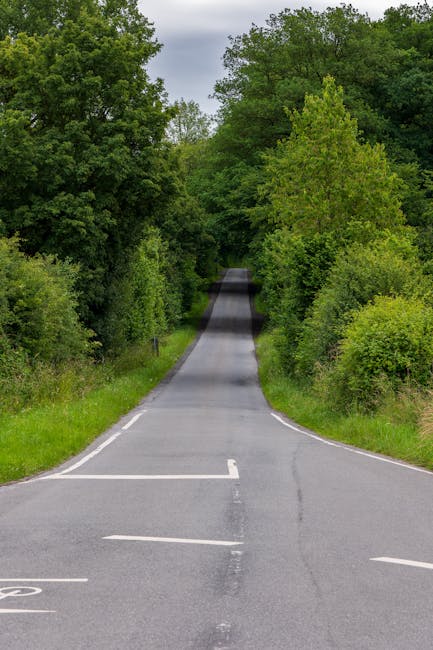
Narrow-road moving is not just a "nice to have" planning detail. In Harefield and the wider Colne Valley area, many streets are not designed for easy two-way movement with larger vans, especially when cars are parked close together or access is shared. That can affect everything: where the vehicle stops, how far items must be carried, how long the move takes, and whether the day feels organised or chaotic.
The practical issue is this: even a straightforward move can become stressful if access is tight. A sofa that looked easy from the front room may need extra wrangling to get through a porch, around a corner, and into a van without scuffing paintwork or scraping a wall. That is why local moving advice matters. It is not about overcomplicating things; it is about avoiding the little problems that turn into big ones.
There is also a safety angle. Narrow roads often mean less room for pedestrians, cyclists, school runs, delivery vans, and neighbours coming and going. Good planning helps keep people safe and reduces the chance of rushed lifting, awkward reversing, or blocking access. To be fair, the difference between a smooth move and a miserable one is often just 20 minutes of sensible preparation.
If you want a broader overview of how professional moving support fits together, our services overview is a useful place to start. And for people moving between homes, the practical advice in moving houses without stress pairs nicely with the local tips in this article.
How Colne Valley Moves: Harefield narrow-road tips Works
The basic idea is to match the move to the road, not force the road to match the move. That means understanding the access before the van arrives, choosing the right vehicle size, preparing items so they can be handled quickly, and deciding whether one trip or multiple shuttle runs make more sense.
In practice, a narrow-road move usually works in four stages:
- Pre-move access check - confirm the turning space, parking options, and any likely obstructions such as low branches, tight corners, or neighbouring vehicles.
- Load planning - decide what goes first, what needs two people, and what should be protected with blankets or wraps.
- Timed arrival - arrive when the road is quieter if possible, so manoeuvring is easier and less hurried.
- Careful loading and unloading - keep walks short, protect doors and banisters, and communicate clearly throughout.
A good moving team will also think about the order of items in the van. Heavy, stable pieces should be positioned so they do not shift when the vehicle stops or turns. Delicate items should be isolated. It sounds obvious, but a van packed badly on a tight street can create a domino effect before you have even reached the destination. Nobody wants that. Nobody.
If packing is part of your challenge, this guide to packing challenges offers a useful companion read. For materials and supplies, packing and boxes in Harefield can help you think through the basics before moving day.
Key Benefits and Practical Advantages
Good narrow-road planning is about more than convenience. It can improve the whole moving experience in ways that are easy to overlook until something goes wrong.
1. Less time spent waiting
When access is planned properly, the team is not standing around deciding where the van should stop or how to back in without causing a blockage.
2. Lower risk of damage
Fewer awkward turns and shorter carrying distances usually mean fewer bumps into walls, door frames, or parked cars.
3. Better use of labour
On a narrow road, every extra step matters. Careful planning saves energy for the lifting itself, which is exactly where people need it.
4. More predictable costs
Jobs that are well planned tend to run closer to estimate. Not every issue can be eliminated, but a lot of avoidable delay can.
5. Less stress for neighbours and residents
When a move is tidy, courteous, and quick, it causes less disruption. That matters in residential areas where people are trying to get on with their day.
The thing people sometimes miss is how much a calm move helps with decision-making. When the access plan is sorted, you can focus on the real work: protecting furniture, managing fragile items, and making sure the right boxes go to the right room. For heavier pieces, our furniture removals in Harefield service is especially relevant, and for unusual or valuable items, piano removals in Harefield is the safer route.
Who This Is For and When It Makes Sense
This approach is useful for anyone moving in or around Harefield where road width, parking, or access is not straightforward. That includes terraced streets, older properties, shared driveways, tight cul-de-sacs, and homes close to busy local routes where stopping outside is easier said than done.
It is especially relevant if you are:
- moving from a house with a narrow frontage or limited driveway access;
- relocating from a flat where stairs or internal corridors slow everything down;
- moving bulky items such as wardrobes, sofas, or mattresses;
- working to a short deadline and need the job done efficiently;
- trying to avoid disruption to neighbours or other traffic;
- comparing options between a man and van, a removal van, or a full removals service.
It also makes sense if you are moving with students, because student moves often involve lots of bags, smaller boxes, and a tight schedule. Our student removals Harefield page explains that sort of move well. For smaller jobs, a man and van in Harefield can be a practical fit; for more involved house moves, house removals Harefield gives you more capacity and structure.
If the move needs to happen fast, perhaps because access windows are limited or another property is waiting, same-day removals Harefield may be worth considering. That said, short notice and narrow roads are not the best combination unless the plan is solid. Quite honestly, good preparation matters even more when the clock is ticking.
Step-by-Step Guidance
Here is a practical way to handle a narrow-road move without overthinking it.
1. Walk the route before moving day
Stand outside your property and look at the route from the van stop to the front door. Check for steps, low railings, narrow gates, uneven paving, bins, bikes, and any point where two people would struggle to pass side by side. This sounds basic, but it saves a lot of grief.
2. Measure the bulky items
Measure the longest furniture and the widest openings. Sofas, beds, wardrobes, and appliances often fail at the doorway stage, not in the van. If you know a piece is awkward, disassemble it in advance where possible. For mattress and bed handling, this mattress moving guide is a genuinely useful companion.
3. Decide on van size carefully
On a narrow road, the largest van is not always the smartest van. A slightly smaller vehicle can be easier to position, easier to reverse, and quicker to load if space is tight. There is a balance here: too small creates extra trips, too big creates access headaches. The sweet spot depends on the street, the volume, and the weight.
4. Pack for speed and clarity
Label boxes clearly, keep essential items together, and avoid overfilling anything fragile. If you can, keep an access box with tape, markers, cloths, water, snacks, and basic tools. When the move starts, nobody wants to be rummaging for a screwdriver while the driver is waiting on the pavement. It's a small thing, but it matters.
5. Protect the property
Use covers on bannisters, blankets on furniture, and floor protection where needed. On a narrow route, the margin for error is smaller, so protect the high-contact points first: corners, door jambs, and stair turns. A bit of padding goes a long way.
6. Keep communication simple
Agree on who is directing the van, who is carrying which items, and where boxes should be placed. A move goes much more smoothly when instructions are short and consistent. You do not need a theatre production. Just clear, calm directions.
7. Have a fallback if access changes
Sometimes a neighbour parks where you expected a clear spot, or a delivery van blocks the road just as you arrive. Plan a fallback route or alternative stopping place. That small bit of flexibility can save the whole schedule.
Expert Tips for Better Results
These are the kinds of things that make a narrow-road move feel controlled rather than improvised.
- Use a "first out, last in" box set for tools, keys, chargers, kettle items, and basic cleaning supplies.
- Keep walkways clear inside the property so people are not stepping around loose bags while carrying heavier items.
- Load by stability, not by convenience. Heavy and solid items should anchor the van load.
- Separate fragile from bulky. A lamp shade tucked beside a treadmill is asking for trouble.
- Protect furniture before the van arrives, not after you are already in a rush.
- Schedule around traffic where possible. Quieter times can make a surprising difference on narrower streets.
One small but useful trick: keep a photo of your front access and parking area on your phone. If you need to discuss the setup with a mover or driver, a quick picture usually explains the issue better than a long text message. Saves time, saves confusion, and yes, saves that awkward "no, the other left" moment.
If you are trying to decide whether to move treasured furniture or put it into temporary storage, the article on storing sofas properly and our storage options in Harefield can help with the decision. A narrow-road move sometimes becomes easier when not everything has to travel at once.
For people who prefer to reduce the amount of carrying on the day itself, it can also help to read about decluttering before relocating. Less clutter means fewer trips, and fewer trips are a gift on a tight street.
Common Mistakes to Avoid
Most narrow-road problems are not dramatic. They are small, preventable mistakes that pile up.
- Choosing the van before checking access - the vehicle should suit the road, not the other way around.
- Leaving parking to chance - "we'll find a spot" can become a costly assumption.
- Underestimating carrying distance - twenty extra metres feels minor until you are doing it repeatedly with a heavy chest of drawers.
- Packing weak boxes - overfilled boxes split at the worst possible time, usually halfway to the van.
- Forgetting awkward items - bikes, planters, mirrors, and under-stairs clutter often get missed in the final rush.
- Not briefing neighbours where appropriate - a little courtesy can avoid friction and keep things moving.
There is also a tendency to leave cleaning until the last minute. If you are handing back a property, our moving-out clean guide is worth a look. It helps you avoid that final-day panic where one room is packed, another is half-cleaned, and someone has lost the kettle. Happens more often than you'd think.
Tools, Resources and Recommendations
You do not need a huge kit to manage a narrow-road move well, but the right few items make a noticeable difference.
| Tool or resource | Why it helps | Best use case |
|---|---|---|
| Furniture blankets | Protects corners and finishes during tight manoeuvres | Sofas, tables, wardrobes |
| Straps and ties | Stops items sliding during transport | Longer van journeys, stacked loads |
| Labels and markers | Makes unloading quicker and more organised | Room-by-room packing |
| Floor protection | Reduces marks on hallways and stairs | Older properties, narrow entrances |
| Trolley or sack truck | Saves energy on heavier boxes | Bulkier moves with short carrying distances |
For larger or more delicate loads, a professional service can be the most sensible tool of all. If you are comparing providers, our removal services in Harefield and removal companies in Harefield pages are useful for understanding what is available. If you want a smaller, more flexible setup, man with a van Harefield can be the right fit.
If your move includes a single heavy item rather than a full household, solo heavy lifting techniques may be informative, though honestly, for awkward or valuable pieces, it is often better not to improvise. The back remembers everything.
For a broader view of how items are moved safely, this article on kinetic lifting and our insurance and safety page are both worth reading before the day arrives.
Law, Compliance, Standards, or Best Practice
For most household moves, the main compliance concerns are practical rather than legal, but they still matter. If a van needs to stop on a public road, you should avoid creating unnecessary danger or obstruction. Parking and loading arrangements should respect local conditions, other road users, and any restrictions that apply to the area.
If you are moving in a way that affects footpaths, shared access, or communal entrances, it is good practice to keep the route clear, use proper lifting technique, and protect surfaces where appropriate. Where a move involves employees or contracted movers, general UK health and safety expectations apply: minimise risk, use suitable equipment, and do not ask anyone to carry something that is clearly unsafe for the space or the load.
Insurance is another important part of the picture. It is sensible to check what cover is included, what is excluded, and how claims are handled if something is damaged or delayed. That is exactly the sort of detail people forget until they need it. For a clearer overview of expectations, see our health and safety policy and the general terms in our terms and conditions.
Best practice is usually straightforward: plan access, communicate clearly, use appropriate equipment, and do not overpack the vehicle. Simple, but not always easy when everyone is in a hurry.
Options, Methods, or Comparison Table
Not every narrow-road move needs the same setup. Here is a simple comparison to help you think it through.
| Option | Best for | Strengths | Watch-outs |
|---|---|---|---|
| Man and van | Smaller moves, single loads, flexible timing | Quick, adaptable, often ideal for tight access | May not suit large households or many bulky items |
| Removal van | Medium to larger moves with more inventory | Better capacity, more organised loading | Needs enough road space to position safely |
| Full house removals | Whole-home moves with furniture and boxes | Structured, efficient, less DIY stress | Requires good planning and access coordination |
| Same-day support | Urgent or last-minute changes | Fast response, useful when plans shift | Less room for error, especially on narrow roads |
If you are still deciding between options, the most useful question is not "what is cheapest?" but "what is least likely to create avoidable problems on my street?" That usually leads to a better answer.
Case Study or Real-World Example
Imagine a two-bedroom flat move in Harefield where the road is narrow, cars are parked on both sides, and the property has a short but awkward set of steps at the front. The movers cannot sit a large vehicle directly outside without blocking access, so they choose a slightly smaller van and time the arrival for a quieter part of the morning.
The client has already boxed up books, kitchen items, and clothes, but a wardrobe mirror and bed frame still need care. Instead of trying to do everything in one rush, the team brings the heaviest items out first, keeps fragile pieces separate, and uses blankets around corners and rails. A neighbour briefly needs access, so the van is shifted a little to make space. Nothing dramatic. Just good communication.
The move finishes faster than expected because the route was checked beforehand, the boxes were labelled properly, and there was no debate about where the van should go once it arrived. The client says the best part was not "speed" as such, but the lack of stress. And truth be told, that is what most people want from a move on a narrow road: not magic, just competence.
If that kind of setup sounds familiar, then our flat removals Harefield page may be particularly relevant, especially for homes where stairs and access are part of the daily reality. For larger or more scattered belongings, removals Harefield offers a broader route into planning the job properly.
Practical Checklist
Use this checklist as a quick pre-move sanity check. Short. Clear. Useful.
- Confirm the property access, parking options, and any likely obstructions.
- Measure large furniture and tight doorways before moving day.
- Choose a van size that fits the road, not just the volume of items.
- Pack fragile items separately and label all boxes clearly.
- Set aside tools, tape, markers, and basic cleaning supplies.
- Protect walls, bannisters, and floors where items may brush past.
- Keep the main walkway inside the property free of clutter.
- Check whether anything should go into storage instead of the van.
- Decide who will direct the vehicle and who will manage loading.
- Review safety, insurance, and any special handling needs.
If you want to reduce what actually needs moving, you might also find this freezer storage article useful for preparing food in advance so there is less waste and less last-minute hassle. Small details add up. They really do.
Get a free quote today and see how much you can save.
Conclusion
Narrow-road moving in Harefield does not have to be a headache. With a little planning, the right vehicle choice, and a sensible approach to packing and access, the whole process becomes much more manageable. The key is to respect the road conditions rather than fight them. That one shift in mindset saves time, energy, and a surprising amount of frustration.
Whether you are moving a full house, a flat, a few heavy pieces, or an urgent same-day load, the best results usually come from clear preparation and calm execution. If you want a local move to feel easy instead of exhausting, start with access, then build everything else around it. Simple advice, but it holds up.
And if you are still weighing up the safest way to approach the move, take a breath, make a short plan, and work through it step by step. That is often enough to turn a tricky street into a perfectly workable moving day.